
Blog > Buying in Ottawa? Part of the Front Lawn Usually Belongs to the City
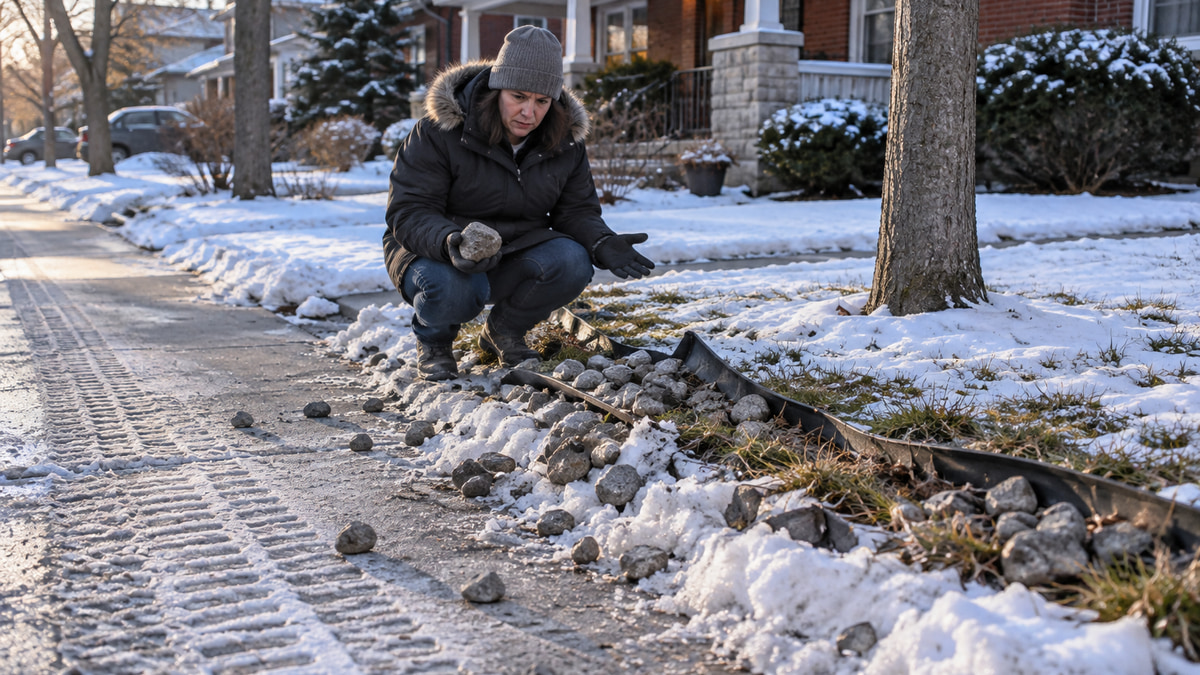
On most Ottawa streets, your lot does not start at the curb. The City of Ottawa says its right of way usually extends onto front lawns, so the grass strip by the sidewalk, and often more than that, is City land even though the homeowner mows it.
That matters when you buy. Rock borders, interlock, sprinklers, fences or hedges that a seller put in that strip are on City property. The City can require the owner to remove them, and it says it is not responsible for damage when it works in that strip. Before you firm up, find out roughly where the line is and what is sitting in front of it.
What the City right of way actually is
The City describes the right of way as its land beside your property: the road, the shoulders, the sidewalk, the private approach (the part of the driveway between the road and your lot) and the boulevard, which is the grass area beside the road or sidewalk. It says the boulevard can extend a considerable distance toward the house, and that the edge of a sidewalk, road or lawn usually does not mark the real property boundary.
This is different from a private easement or right-of-way over a neighbour's land, which is a registered right that runs with title. We covered that kind in easements and rights-of-way in Ontario. The City right of way is simply land the City owns along the street.
In practice the boulevard does real work. The City and utilities run pipes, cables and other infrastructure through it, it plants street trees there, and it uses it for snow storage. The City says routine work such as snow clearing, sign installation and emergency repairs can happen there without advance notice.
How do you find where the City land ends?
For a quick look, the City points to geoOttawa: search the address, open the layer list and turn on Property Parcels. The City calls the result an approximate boundary, so treat it as a first check, not a measurement.
If the answer matters, for example because the seller added a wide driveway, a front fence or a big landscaped bed, the reliable answer comes from a survey. An older survey can still show where the front lot line sits, with the usual limits we covered in do you need a survey when you buy a home in Ontario.
What is allowed in front of an Ottawa home, and what is not
The City lets residents use the boulevard in limited ways without a permit, as long as they follow its Use and Care of Roads By-law. The short version:
- Allowed: boulevard gardens and planter boxes kept under 1 metre high (0.75 metres in the sight triangle on a corner lot), low groundcover instead of grass, and mulch that stays off the sidewalk and road. There are setbacks, such as 1 metre from a City tree and 1.5 metres from a fire hydrant, catch basin or manhole.
- Not allowed: rocks, pavers, bricks and other hard landscaping, which the City says are a hazard for snow clearing; irrigation systems; changing the grading or doing work in a ditch; and planting your own trees, which the City's forestry staff handle.
- Fences and hedges: the by-law says no one other than the City may put up a fence, build a wall or plant a hedge on the road allowance.
- Driveways: creating, widening or closing a driveway needs a permit under the City's Private Approach By-law. If you are thinking about adding one, see buying an Ottawa home with no driveway.
The owner also has a job. The by-law requires the owner of a residential property to cut the grass and weeds on the boulevard beside it. If it gets out of hand, the City can send a notice, do the work after the deadline and recover the cost, including through the tax bill.
Whatever is out there becomes your problem after closing
The City's encroachment by-law requires a permit for anything man-made built on City land, and it treats things like a fence, hedge, ornamental rock garden or flower bed as a permanent encroachment. If something is there without approval, the City can give the owner written notice to remove it and restore the area, and if that is not done within 10 days it can remove it at the owner's cost and add the charge to the tax roll. After you close, the owner is you. Separately, the City says it will not save and put back gardens during its own work and is not responsible for damage or loss, so a feature that was never allowed is a feature you could lose.
Questions worth asking before you firm up
None of this should scare anyone off a good house. Most Ottawa front yards have nothing more than grass and a few plants in the boulevard. The homes worth a closer look are the ones where the front yard has been built up: rock or interlock borders along the sidewalk, a front fence or hedge near the street, an in-ground sprinkler system, lighting or a widened driveway.
Front yard checks before you firm up in Ottawa
- Look at the line: check the property parcel on geoOttawa and compare it with where the landscaping, fence or driveway edge actually sits.
- Ask about approvals: did the seller get a permit for the driveway width, or an encroachment permit or agreement for anything built near the street?
- Ask about notices: has the property had any City notice about the boulevard, a fence, landscaping or long grass?
- Look for buried items: sprinkler heads or lighting near the sidewalk usually mean pipes or wiring in the boulevard.
- Get the survey: ask whether the seller has one, and whether a new one is worth it for this property.
- Talk to your lawyer: if something sits on City land, ask how it should be handled in the agreement before you commit.
Common follow-up questions
If the City owns that strip, why do I have to mow it?
Because the by-law says so. The owner of residential land is responsible for cutting the grass and weeds on the boulevard beside it, and a tenant can do it with the owner's written permission. Owning the land and maintaining the lawn are two different things here.
Can the City pile snow on my front lawn?
On the boulevard, yes. The City lists snow storage as one of the boulevard's uses and clears snow there without advance notice. That is one reason it does not allow rocks and pavers in the strip, and why low plantings and anything fragile near the sidewalk tend to take a beating in an Ottawa winter.
Looking at a home in Ottawa with a lot going on out front?
Happy to walk the front yard with you and sort out what to ask before you make an offer. Get in touch. No pressure either way.
Sources: City of Ottawa, Right of way; City of Ottawa, Use and Care of Roads By-law 2003-498; City of Ottawa, Encroachments on City Highways By-law 2003-446. All were read November 27, 2026.
City by-laws and their rules can change. Confirm current requirements with the City of Ottawa before relying on them for a specific property. This article is general information, not legal advice.