
Blog > Easements and Rights-of-Way in Ontario: What They Mean When You Buy a Home
Easements and Rights-of-Way in Ontario: What They Mean When You Buy a Home
by
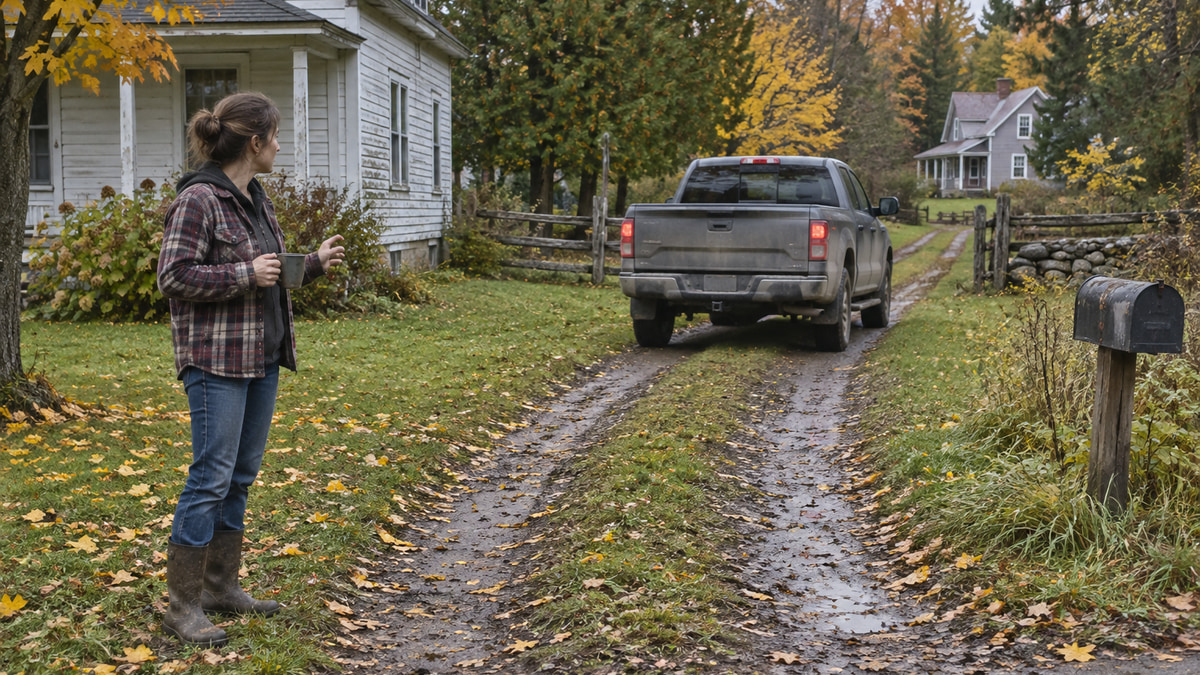
An easement is a right someone else has to use part of a property for a specific purpose, like a neighbour driving across it to reach their house or a utility running a line through the back yard. A right-of-way is the most common kind: a right to pass over the land.
When you buy, the easement usually comes with the property. It runs with the land, so it binds you the same way it bound the seller, and it keeps going after you sell.
Most are harmless, and the standard Ontario agreement expects you to accept minor utility easements. The ones worth slowing down for are access rights, shared driveways and anything that sits where you plan to build, fence or park.
What an easement actually is
Think of it as a permission that belongs to a piece of land rather than to a person. One property gets the benefit, and the other property carries the burden. The owners change over the years, but the easement stays attached to the land on both sides.
The document that creates it sets the terms: what the right is for, which part of the property it covers, and sometimes who maintains it. A right-of-way for a driveway is not the same as an easement for a buried hydro line, even if both show up on title under the same general label.
You can also be on the other side. A rural lot with no road frontage may depend on a right-of-way over a neighbour's land to get in and out at all. In that case the easement is not a problem on the property you are buying. It is the thing that makes the property usable, and you want to be sure it is solid.
The kinds you are likely to run into
| Type | What it usually looks like | How it normally comes to light |
|---|---|---|
| Utility or service easement | Hydro, gas, telephone, cable, drainage or sewer lines crossing part of the lot | Registered on title, and often visible as poles, boxes or a strip nobody builds on |
| Registered right-of-way | A neighbour's legal right to drive or walk across a defined strip, or your right over theirs | Registered on title and described in the instrument, usually shown on a survey |
| Shared driveway | One driveway straddling a lot line, used by both houses | Registered easements or a written agreement, and sometimes nothing in writing at all |
| Prescriptive easement | A path or lane used openly by a neighbour for decades without permission | Often not on title. It shows up through a conversation, a physical sign on the ground or a dispute |
Where easements hide: title, survey and the ground
Registered easements show up in your lawyer's title search. The parcel register lists the instruments that affect the property, and your lawyer reads what each one actually allows. Where the easement sits on the ground is a separate question, and that is what a survey shows. On a lot of resale deals there is no up-to-date survey, which is part of why title insurance gets used, but title insurance is not a map of who can use which part of the yard.
Unregistered rights are harder. In Ontario, a neighbour can sometimes establish an easement by using a path or lane openly, continuously and without permission for 20 years. The courts have described that test in cases like Kaminskas v. Storm. Once a property is in the Land Titles system, section 51 of the Land Titles Act stops new rights from being acquired that way, but a right that had already built up for 20 years before the property moved into Land Titles can still be claimed. That kind of easement may not appear anywhere on title.
So I look at the ground as well as the paperwork. Worn tire tracks crossing a side yard, a gate in the fence line, a lane that runs past the house to a cottage behind it, a ditch or culvert that clearly drains someone else's land. None of those prove an easement exists, but each is a question worth asking before you firm up.
What the standard offer says you accept
The standard Ontario Agreement of Purchase and Sale has a title clause that already expects some easements. In plain terms, you agree to take the property subject to minor easements for utility services to the property or its neighbours, and easements for drainage, sewers and public utility lines that do not materially affect the use of the property.
Anything beyond that is something your lawyer can raise as a requisition before the title search deadline in your agreement. That deadline matters. If an objection is not raised in time, you can end up having accepted the title as it is. Whether a particular easement is a real problem comes down to whether it materially affects how you can use the property, which is a legal judgment for your lawyer, not a feeling.
An easement can limit what you do with that strip of land.
If you are planning a garage, an addition, a pool or a fence, find out where every easement sits before you firm up. The easement document sets the terms, and an access easement or a utility corridor can mean you cannot build on, block or fence that part of the lot. Getting an easement released later needs the other owner or a court. It is not something you can count on.
Rural and waterfront properties around here
Between Ottawa and Brockville, easements come up far more on rural, cottage and waterfront properties than on a suburban street. Back lots reached by a lane over the front lot, shared private roads, access to the water over someone else's land, and older properties where the arrangement was a handshake between neighbours a long time ago.
On those properties I want to know a few things early:
- Is access to the property itself by public road, or does it depend on a right-of-way over someone else's land?
- If it is a shared road or lane, is there a written maintenance agreement, or does everyone just chip in when the snow comes?
- Does anyone else use a lane, path or dock access across this property, and have they been doing it for a long time?
- Are the well, septic system or their lines anywhere near an easement? I wrote separately about checking wells and septic systems on rural homes.
What I would actually do as a buyer
- Ask the seller directly about shared driveways, access lanes and anyone who crosses the property. It is a simple question and the answer is often in their head, not on paper.
- Walk the lot line and look for the physical signs above before you write the offer, not after.
- If access or a building plan matters to you, consider a condition that gives your lawyer time to review title and any easement documents properly. The steps are laid out in my resale buying guide.
- Have your lawyer explain in plain language what each registered easement allows, and where it sits if a survey is available.
- Before closing day, make sure any open question about access has an answer. It is much harder to sort out once the property is yours.
Most easements are routine and you will never think about them again. The point is to know which kind you have before you are committed to it.
Looking at a rural, waterfront or shared-driveway property between Ottawa and Brockville and not sure what comes with it?
Send me the listing and I will tell you what I would want answered before you make an offer. Get in touch. No pressure either way.
Sources: Land Titles Act, section 51; Real Property Limitations Act; Cunningham Swan, What is a Prescriptive Easement?; Levy Zavet, Easements Affecting Your Property.
This is general information about Ontario rules as of September 2026, not legal advice. Your lawyer should review title and any easement documents before you firm up.