
Blog > Buying an Older Ottawa Home This Winter? Ask About Frozen Water Service Pipes
Buying an Older Ottawa Home This Winter? Ask About Frozen Water Service Pipes
by
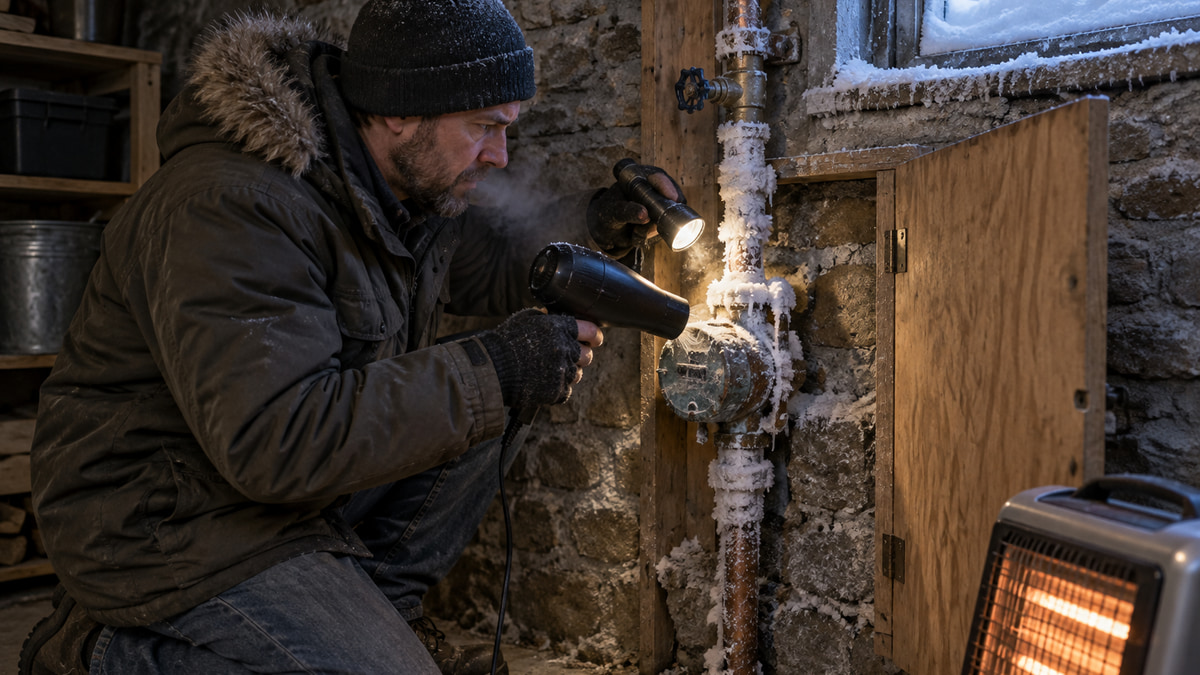
Some Ottawa homes have a water service pipe that is more likely to freeze in a hard winter. The City keeps track of them, and when the frost gets deep enough it sends those properties a letter asking them to keep a cold tap running until spring.
If you are buying an older Ottawa home, ask whether it has ever received one of those letters and whether the service has frozen before. The answer tells you what your first winter may look like, and whether a freeze would be on the City's side of the pipe or yours, which decides who pays to thaw it.
What is a frozen water service, and why some Ottawa homes get one
Your water service is the pipe that runs underground from the City watermain to the plumbing inside your house, usually coming up through the front foundation wall to the water meter. The City of Ottawa says severe, uninterrupted cold can freeze that pipe and stop water reaching the house. When it happens, you turn on a tap and nothing comes out.
Most homes never have a problem. The City has said that about 2,000 Ottawa homes and businesses have service pipes that are shallower or less insulated than others, and those are the ones it watches. It tracks the average daily temperature at the Ottawa airport once it is consistently below zero, and when frost reaches the depth that puts vulnerable services at risk, it issues a seasonal run water advisory to those properties.
City messaging from January 2025 explained how those letters go out. Properties where records show the service froze on the private side get notices first, and properties where it froze on the City side follow. Only properties with a previous freeze, where the service has not since been replaced at a lower depth, get a notice. The City's own advice is blunt: if you have had a letter to run water, or your service has frozen before, assume it is vulnerable this winter.
City side or your side: who owns which part of the pipe
The City says it owns and maintains the water service from the watermain to the water shut-off valve, and the property owner is responsible for the line from that shut-off valve to the house. It is the same split that matters for lead water pipes in older Ottawa homes, and a similar idea applies to the sewer side, where the City owns the service to the property line and the owner owns it from there to the house.
That boundary decides most of the money questions in winter:
- Thawing: the City thaws a frozen service at no charge if the freeze is on municipal property. If it is on private property, the City charges the owner the cost of the work plus 15 percent, each time it has to come out.
- The water you run: if records show the service froze on your property, you pay for the water you leave running. If it froze on the City side and you received a written notice to run water, the City says there is no extra charge, and your bill is based on your previous consumption until it adjusts in late spring or early summer.
- Private streets and condos: the City says properties on a private street, including condominium corporations, do not get its inspection or thawing service.
The letter goes to the address, not the buyer
If you take possession in December, January or February, a run water notice may already have been mailed to the house before you moved in. Ask the seller directly, and if the home is on the list, start running the tap the day you get the keys. A vacant house sitting at a low thermostat setting during a closing is exactly the situation the City's advice is trying to prevent.
What running the water actually means
The City's instruction is to run a steady stream of cold water at least the width of a drinking straw, until the frost is out of the ground, which it puts at the end of April. It also asks people to keep the indoor air above 8°C, especially around the water meter, to insulate pipes on exterior walls and in crawl spaces, and to seal air leaks near them. Meters are often tucked behind a closed door or inside a small cabinet at the front of the basement, which is one of the coldest spots in an older house, so leaving that door open helps.
If the water does stop, the City says to call 3-1-1. Before a crew arrives, clear the snow from the outside shut-off and a path to the inside shut-off valve. You can try warming the pipe near the meter with a hair dryer, heating pad or a carefully used space heater while a cold tap is open. Never use an open flame. If the City cannot thaw it right away, it may run a temporary hose from a neighbour's service, which stays in place until the ground thaws in spring.
Questions worth asking before you firm up
None of this makes an older Ottawa home a bad buy. A service that freezes is usually a winter nuisance with a known routine, not a structural problem. But it is the kind of thing that does not show up in a listing, a summer showing or most home inspections, so it is worth asking about directly, alongside the other older-house questions like whether there is a backwater valve.
Before you firm up on an older Ottawa home
- Ask about letters: has the property ever received a City notice to run water in winter?
- Ask about history: has the water service frozen before, how often, and was it on the City side or the private side?
- Ask about fixes: has the service been replaced or lowered since, and is there any paperwork?
- Look at the meter: where is it, is it in a cold corner or closed cabinet, and does the shut-off valve work?
- Check insurance early: the City notes basic home policies may not cover exterior water and sewer line repairs, so ask your insurer before closing. More on that in insuring an older home.
- On a private road or condo: find out who handles a frozen service, because the City says it does not.
Your home inspector can look at the visible plumbing, the meter area and any insulation around it, but cannot see a pipe buried under the front yard, which is one of the limits we covered in what home inspections cover and miss. The seller's experience and the City's records are the better guide here.
Common follow-up questions
If I am selling, do I need to mention it?
If your property gets the annual letter, I would be upfront about it. Buyers who learn about it in their first January tend to feel blindsided, and it is an easy thing to explain with the routine you already follow. How it should be handled in your paperwork is a question for your lawyer.
Does running a tap all winter cost a lot?
It depends on which side froze. If the City's records show the freeze was on its side and you got a written notice, the City says there is no extra charge. If the freeze was on your side, the running water is billed to you, so it is worth asking the seller which applies to that property.
Looking at an older home in Ottawa this winter?
Happy to help you work out the right questions for that specific property before you make an offer. Get in touch. No pressure either way.
Sources: City of Ottawa, Frozen water service pipes; City of Ottawa, Water and sewer services: homeowner responsibilities; City of Ottawa newsroom items on keeping water flowing in winter, including the January 2025 run water notice messaging. All were read November 26, 2026.
City programs, fees and procedures can change from one winter to the next. Confirm current details with the City of Ottawa at 3-1-1. This article is general information, not legal or insurance advice.