
Blog > Buying Rural Acreage Near Brockville? Why the Seller's Farm or Forest Tax Rate May Not Carry Over to You
Buying Rural Acreage Near Brockville? Why the Seller's Farm or Forest Tax Rate May Not Carry Over to You
by
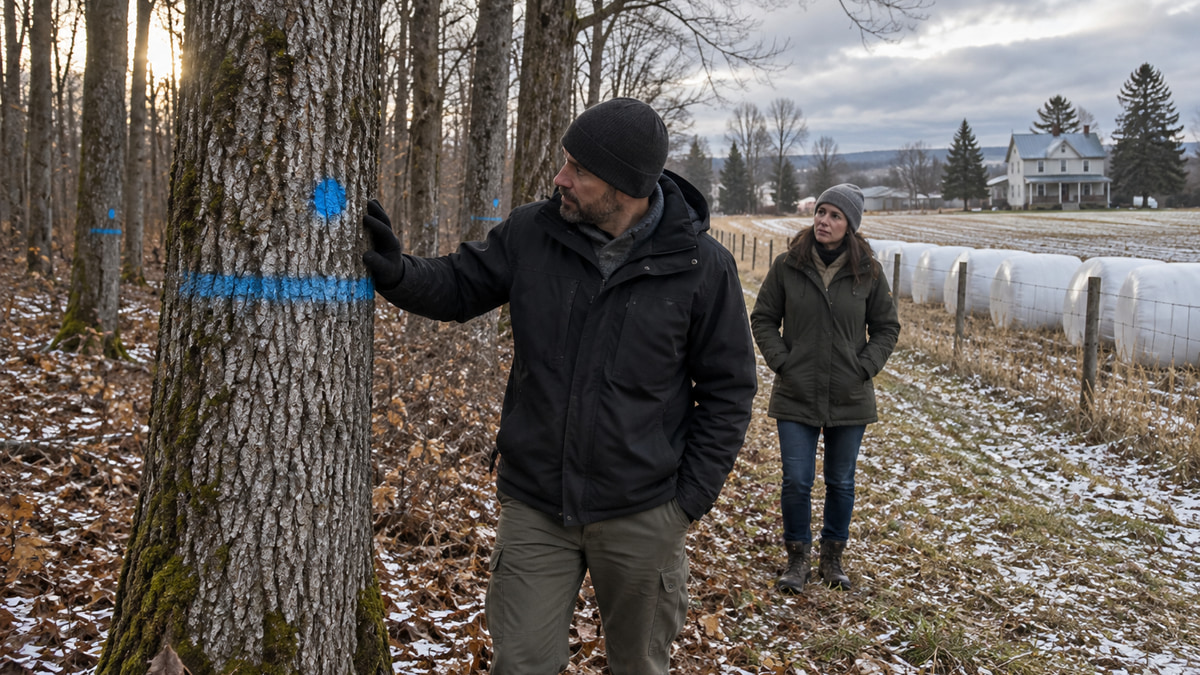
If the woods or fields on a rural property near Brockville are in Ontario's Managed Forest Tax Incentive Program or the Farm Property Class Tax Rate Program, that land is taxed at no more than 25% of the local residential rate. The seller's low tax bill reflects that.
Neither one simply carries over to you. A managed forest plan does not transfer, and you have 90 days from closing to apply with your own plan. The farm rate depends on the land being farmed by a registered farm business and on you applying through Agricorp. If you will not qualify, budget for a higher bill before you firm up.
Why can a rural listing's taxes look so low?
Ontario has two programs that cut the tax on working rural land. Under the Managed Forest Tax Incentive Program, qualifying forest is taxed at 25% of the municipal residential rate. Under the Farm Property Class Tax Rate Program, eligible farmland is taxed at no more than 25% of the residential rate.
In both cases the house is not part of the break. The home and the land around it used for living are taxed at the regular residential rate. The reduced rate applies to the woods or fields.
On a hobby farm or wooded acreage in Elizabethtown-Kitley, Augusta, Front of Yonge or Leeds and the Thousand Islands, that difference can be a real part of the bill. It is also tied to the seller's situation, not just the land.
How do the two programs compare when you buy?
Here is the short version, based on what the province, Agricorp and MPAC publish:
| Topic | Managed forest | Farm tax rate |
|---|---|---|
| What qualifies | At least 4 hectares (9.88 acres) of forest on one roll number, managed under an approved 10-year plan | Land assessed as farmland and used by a farm business with a valid Farm Business Registration number |
| Who runs it | The province, with a Managed Forest Plan Approver preparing or approving your plan | Agricorp, with MPAC handling the farmland assessment |
| When you buy | The seller's plan does not transfer. You have 90 days from the transfer date to submit a new application and plan, or the property comes out of the program the next tax year. | Agricorp sends the new owner an application package. You complete it and Agricorp confirms whether you qualify. |
| If you do not farm it yourself | Not about farming. The question is whether you will keep managing the forest under a plan. | Land farmed by a tenant can qualify, but you will need the tenant's Farm Business Registration number. |
What happens to a managed forest when the property sells?
The province is direct about this: a previous owner's Managed Forest Plan is not transferable to a new owner. If you want to stay in the program, you have 90 days from the date of transfer to submit a new application and plan. If you miss that window, the property is removed from the program starting the next taxation year.
A plan has to be prepared or approved by a Managed Forest Plan Approver, and it describes how you will manage the forest over 10 years. Approvers work independently and charge for their time, so it is worth getting a name and a rough quote before closing rather than after.
The province encourages sellers to tell buyers the property is enrolled and to share a copy of the plan. Ask for it. It shows what the seller committed to in the woods, and it gives an approver a starting point for yours.
What about fields that a neighbour farms?
A lot of rural acreage has hay or crop land rented to a local farmer. That can still qualify for the farm rate. Agricorp's program sheet says land farmed by a tenant can qualify, and that you will need the tenant's Farm Business Registration number. The farmland generally has to bring in at least $7,000 a year in gross farm income, with some exemptions.
So the questions are practical. Is there a written rental arrangement? Does the farmer plan to keep renting after you buy? Will they give you their registration number? When you buy, MPAC lets Agricorp know about the ownership change, and Agricorp sends you an application. Agricorp also says an owner who buys during the year and meets the requirements may apply for that same tax year.
If nobody farms the land after you move in, expect it to be taxed like the rest of a residential property. MPAC notes that properties are placed in the residential class by default unless the owner applies and qualifies. If you are buying beside working farms as well, my piece on buying next to a farm in Ontario covers the other side of country living.
How do you estimate your own tax bill?
For most homes, the seller's last final tax bill is the best starting point. I explain why in my guide to property taxes in Eastern Ontario. A property with farm or managed forest land is the exception, because part of that bill depends on the seller's own program status.
Ask for the seller's latest tax bill and MPAC assessment notice. They show how the property is split between classes. Then call the township's tax office and ask them to estimate the bill if the farm or forest portion were taxed as residential. That gives you a realistic range: the bill if you keep the program, and the bill if you do not.
Before you firm up on rural land with a reduced tax rate
- Ask the seller which program the land is in, and get the latest tax bill and assessment notice.
- For managed forest, ask for a copy of the current plan and line up a Managed Forest Plan Approver if you want to stay in.
- For farmland, find out who farms it, whether that arrangement will continue, and whether you can get their Farm Business Registration number.
- Ask the township to estimate the bill with and without the reduced rate, and budget for the higher number.
- Put the 90-day managed forest deadline in your calendar from the closing date.
- Talk to your lawyer about how the tax status and any farm rental are handled in the agreement.
While you are checking the land, the water and septic matter just as much. My guide to wells and septic systems in Eastern Ontario goes through what to check.
Common follow-up questions
Does the house get the lower rate too?
No. Under both programs, the home and land used for living are taxed at the regular residential rate. The reduced rate is only on the qualifying forest or farmland.
Who can own land in these programs?
Both have ownership rules. The farm rate requires the property to be owned by Canadian citizens or permanent residents, with separate rules for corporations. Managed forest land must be owned by a Canadian citizen or permanent resident, or by a Canadian business, trust or conservation authority. If you are buying through a company or with someone outside Canada, check this early.
Looking at acreage around Brockville with woods or fields?
Happy to help you sort out what the tax bill will really look like before you commit. Get in touch. No pressure either way.
Sources: Ontario, Managed Forest Tax Incentive Program; Ontario, Farm property class tax rate program; Agricorp, how the farm tax program works; Agricorp program feature sheet, May 2025 (hosted by AMCTO); MPAC, farm property assessments. All were read November 18, 2026.
Program rules and deadlines change. Confirm current details with the province, Agricorp, MPAC and your township before you rely on them, and get legal advice on your agreement.