
Blog > Ottawa's Vacant Unit Tax When You Buy or Sell a Home: Who Declares, and Who Ends Up Paying
Ottawa's Vacant Unit Tax When You Buy or Sell a Home: Who Declares, and Who Ends Up Paying
by
In Ottawa, the Vacant Unit Tax declaration looks back at the previous calendar year, so who files it depends on when the sale closes. If the deal closes between January 1 and April 30, the seller files. If it closes between May 1 and December 31, the buyer files the following year and can claim the City's exemption for a property bought in that year.
The part buyers miss is that, like property tax, the Vacant Unit Tax forms a lien on the property. If it is charged and not paid, the City says it becomes the buyer's responsibility. That makes it a closing question for your lawyer, not just a form for the seller.
How Ottawa's Vacant Unit Tax works
The City of Ottawa brought in the Vacant Unit Tax under By-law No. 2022-135. It applies to properties in the residential tax class, using the property code MPAC assigns, and every eligible owner has to file a property status declaration every year, even if the home is their principal residence. A property that is not declared is deemed vacant and taxed.
The key points from the City's how it works page:
- What counts as vacant. A unit that was not used as a principal residence and was unoccupied for more than 184 days in the previous calendar year.
- What does not. A principal residence, a home lived in by a family member, friend or other permitted occupant as their principal residence, or a property rented to tenants for at least 184 days in stretches of 30 days or more.
- How much. 1% of the MPAC assessed value for the first year a property is vacant. Each additional consecutive vacant year adds 1%, up to a maximum of 5%. The rate resets to 1% after a year of occupancy.
- When it lands. On the Final Tax Bill, due the third Thursday of June.
Declarations open in January and are due by the Interim Tax due date. The City's FAQ says late declarations are accepted until April 30 with a $250 late fee, and that false declarations can lead to by-law fines of up to $10,000. If you want the bigger picture of how the regular bill is built, this explainer on property taxes covers the assessment side.
Who declares when an Ottawa home sells?
Because the declaration is about last year's occupancy, only the person who owned the home last year really knows the answer. The City's change of ownership guidance splits it by closing date:
| Closing date | Who files the declaration | What to sort out before closing |
|---|---|---|
| January 1 to April 30 | The seller, for the previous year | Proof the seller has filed, and who pays if the City later decides the home was vacant |
| May 1 to December 31 | The buyer, the following year | Remember to file, and claim the exemption for a home bought that year |
| Any date | Unpaid Vacant Unit Tax stays with the property | Ask your lawyer how it is handled on the statement of adjustments |
For buyers, the City lists a few protections a purchaser's lawyer may want to ask for:
- a copy of the seller's declaration confirmation email
- a statutory declaration at closing that the filed declaration is true and correct
- a representation and warranty that the property has not been vacant, as the by-law defines it, for more than 184 days in the current or prior year
- a holdback where the City has not yet decided whether the tax applies
- an adjustment so that any Vacant Unit Tax is borne by the seller
Which of these make sense depends on the property and the agreement. On a home that is obviously lived in, it may be a quick confirmation. On a home that has clearly been empty, it deserves a real conversation before you firm up.
Watch for the empty house.
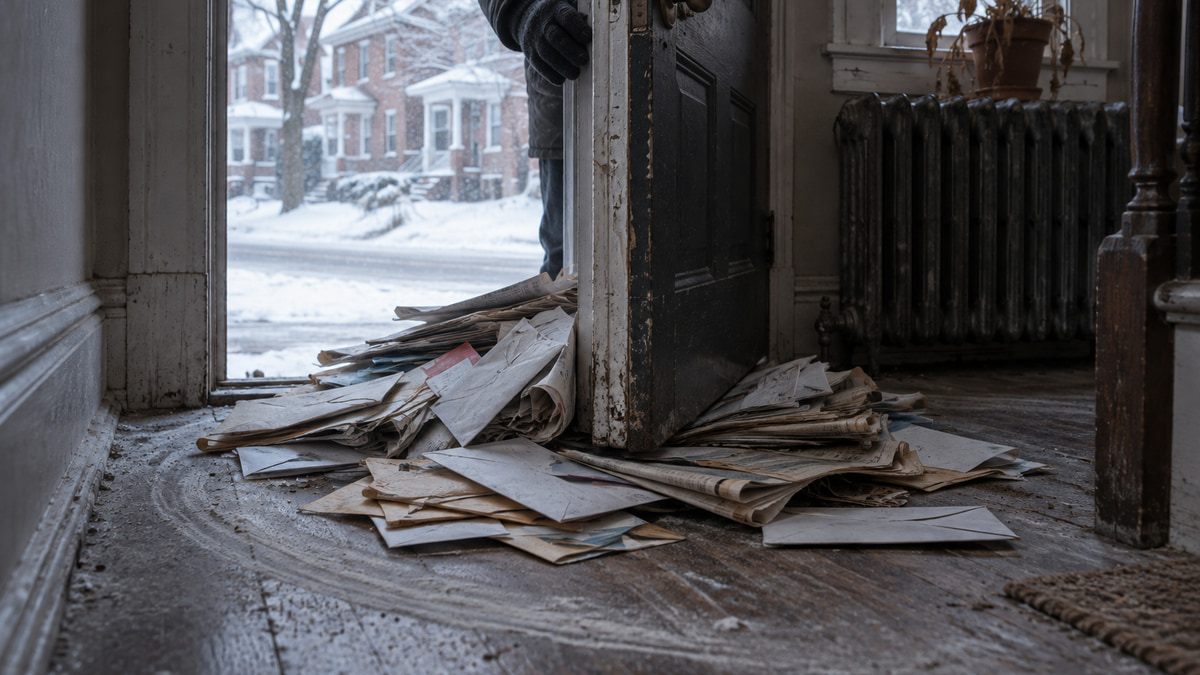
Furniture gone, utilities at the minimum, a pile of mail, an owner who moved away a year ago. None of that proves the tax applies, but it is exactly the situation where the Vacant Unit Tax can matter, and where a holdback or a clear clause is worth discussing with your lawyer before you waive conditions.
Selling a home that is sitting empty
Sellers usually run into this in one of three ways.
You bought your next place first
If you moved into your new home and the old one sat empty while it was for sale, count the days. A home that sells and closes in the same year is covered on the buyer's side by the sale exemption when the closing falls between May and December. A home that sits empty for more than 184 days and does not sell by the end of the year is a different story. On the City's exemptions list, the listed-for-sale exemption is written for newly built units added to the tax roll, not for a resale home on the market. If you are weighing the timing, sell first or buy first is the bigger decision behind this one.
You are selling an estate home
The death exemption covers a home left vacant because an owner died, but only in the year of death and the following year. An estate home that is still sitting empty after that window can attract the tax. If you are the estate trustee, the declaration still has to be filed each year, and what an estate trustee needs before listing covers the rest of the preparation.
The house is being renovated before you list
Major renovations with the proper building permits can qualify if the home could not be lived in for at least 184 days. From the 2024 occupancy year, the City also allows a one-time claim for renovations without permits when the work follows right after the home became vacant and it is occupied again within 12 months. Minor work does not count.
The other exemptions, in plain terms
If a home was empty for at least 184 days last year, the City's exemptions page lists these possibilities, among others:
- Sale. You bought the property in the previous year in a 100% transfer from an unrelated person or corporation. Adding or removing an owner, or a name change, does not count.
- Owner in care. The occupant lived in a hospital, long-term care or supportive care facility for at least 184 days.
- Court or government order. Occupancy was prohibited, unless that was caused by the owner's neglect.
- Medical secondary residence. A second Ottawa property used periodically for medical treatment, with a City form signed by a medical practitioner each year.
- Rural and hazardous properties. Narrow categories for uninhabitable rural structures and homes damaged beyond the owner's control.
Each exemption has its own conditions and documents, so read the exact wording before relying on one.
Questions people ask about the Vacant Unit Tax
I live in the house. Do I still have to declare?
Yes. Every eligible owner declares every year, even for a principal residence. Skipping it is what gets a lived-in home deemed vacant.
Do I declare a basement or granny suite separately?
No. The City says accessory suites do not need their own declaration. It counts units using the MPAC property code.
I bought in the spring. Is there anything for me to do?
If you closed between May 1 and December 31, you file the next declaration yourself in the new year. If you closed between January and April 30, the seller should have filed for the prior year, and it is worth asking your lawyer whether that confirmation is with your closing documents.
What I would do, buying or selling in Ottawa
- Buying a home that looks empty: ask early how long it has been vacant, and get your lawyer's view on a warranty or holdback before you waive.
- Closing in the spring: confirm who is filing the declaration and keep the proof.
- Selling after you have already moved: keep an eye on how long the old place has been empty, especially around year-end.
- Estate or renovation sale: check the exact exemption wording and timing before you plan the listing date around it.
It is rarely the deciding factor in a deal. It is just one of those Ottawa-specific details that is easy to handle early and annoying to discover late.
Buying or selling in Ottawa and not sure whether the Vacant Unit Tax touches your situation?
Tell me the address and the timing, and I will walk you through what I would check and what to raise with your lawyer. Get in touch. No pressure either way.
Sources: City of Ottawa, Vacant Unit Tax: How it works; Change of ownership; Exemptions; FAQs. City pages checked October 6, 2026. The tax was enacted under City of Ottawa By-law No. 2022-135.
This is general information about Ottawa's Vacant Unit Tax, not legal or tax advice. Rates, deadlines and exemptions are set by the City and can change, and your lawyer and the City are the ones who can confirm what applies to a specific property.