
Blog > Buying a Power of Sale Home in Ontario: What the Lender Can't Tell You
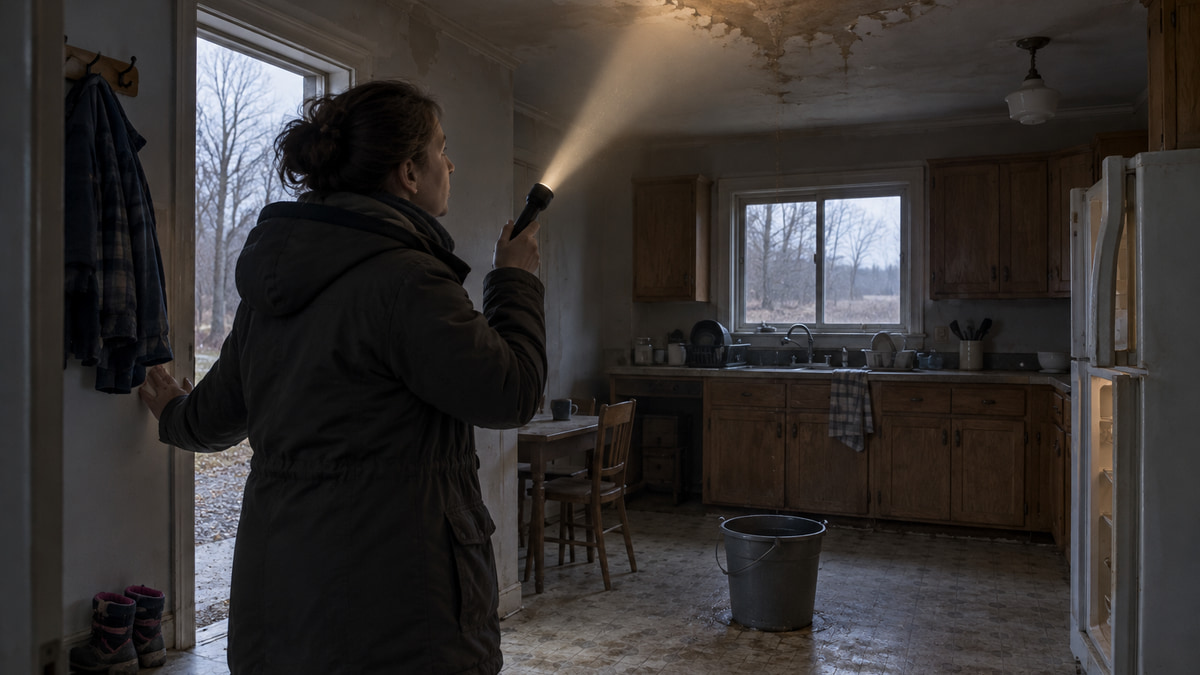
A power of sale home in Ontario is being sold by the lender, not the owner, after the owner fell behind on the mortgage. You can buy one, and plenty of them are perfectly good houses. But the lender usually knows little about the property and sells it as is, with few or no promises about its condition, what is included or its history.
There is also a timing risk most buyers do not expect: the owner may still be able to pay what is owed and stop the sale after you have an accepted offer. An experienced real estate lawyer and your own homework are what make these purchases work.
What a power of sale actually is
When a mortgage is in default, Ontario's Mortgages Act lets the lender sell the property itself, without going through a court foreclosure, as long as it follows the notice rules in Part III of the Act.
The basic timeline is set out in section 32. The lender cannot give notice of sale until the default has continued for at least 15 days, and it cannot sell until at least 35 days after that notice is given. The notice goes to the owner and to others with registered interests in the property.
When the sale closes, section 27 sets the order the money is paid out: the costs of the sale first, then the interest, costs and principal owed on the lender's mortgage, then later-ranking mortgages and other claims, with any surplus ending up with the owner. For you as the buyer, the takeaway is simple. The seller on your agreement is a lender protecting a loan, not a family that lived in the house.
How it differs from a regular resale
Here is the quick version of what changes when the seller is a lender.
| Topic | Typical resale | Power of sale |
|---|---|---|
| Who signs as seller | The owners who lived in the home | The lender, through its lawyer and listing brokerage |
| What the seller knows | Owners can usually answer questions about leaks, renovations and repairs | The lender may know little about the home's history, so many answers will be that it doesn't know |
| Condition and warranties | Negotiated between buyer and seller | Usually sold as is, with no promises about condition |
| Appliances and chattels | Listed in the offer and expected to be there and working on closing | May be missing, broken or simply sold as is with no promise they work |
| Can the deal fall away? | Mainly through conditions or a default | Also if the owner pays the lender and brings the mortgage back into good standing before the sale is complete |
| The paperwork | Standard agreement of purchase and sale | Standard agreement plus the lender's own schedule of terms, which your lawyer should review before you sign |
None of this makes a power of sale home a bad buy. It just means more of the homework lands on you, because the usual source of answers, the owner, is not part of the deal.
The owner can still stop the sale
Section 22 of the Mortgages Act lets an owner in default pay what is owing, plus the lender's costs, and put the mortgage back in good standing at any time before sale. Lawyers who act on these purchases warn buyers that, in practice, an owner can sometimes bring the mortgage back into good standing after you have a deal and before closing.
How your agreement handles that, including what happens to your deposit, depends on the wording of the lender's schedule. That makes it one of the first clauses to go over with your lawyer.
Plan as if the deal might not close. Until it does, be careful about commitments that are hard to undo, like giving notice on a rental, booking movers or selling your current home on firm terms with no fallback.
Ask your lawyer how the lender's schedule handles a redemption, what happens to your deposit, and whether you have any claim for your own costs if the sale falls through.
Is a power of sale home a bargain?
Not automatically. Ontario law expects a lender selling under power of sale to act in good faith and take reasonable steps to get a fair price, because the owner and any other creditors are relying on what the sale brings in. So the power of sale label on its own does not mean a discount.
Where value does show up, it is usually because of what the house needs. A property that has sat empty, has had maintenance put off or comes with open questions may draw fewer buyers. That can be an opportunity if you price in the work and the unknowns honestly, but it is not the same thing as a cheap house.
What to check before you make an offer
These are the questions worth answering before you commit to a power of sale property:
- Have your lawyer read the lender's schedule first. Ideally someone who regularly handles power of sale purchases, so you understand the as is language, the redemption clause and what happens to your deposit before you sign, not after.
- Get inside with an inspector. With no owner to ask, the inspection matters more, not less. If the lender's terms make a condition hard to get, talk through the timing with your lawyer and your agent. More on what an inspection can and cannot tell you in home inspections in Eastern Ontario.
- Confirm who is in the house. Ask whether the property is vacant now and whether vacant possession will be given on closing. If anyone is still living there, get advice before you go further.
- Do not assume title is clean. Under the Act, the lender sells subject to interests that rank ahead of its own mortgage, so your lawyer's title search still matters. Lawyers also caution that title insurance may not cover some things a buyer takes on in a power of sale purchase, such as tax arrears or an open permit. See what title insurance actually covers.
- Line up insurance early. An older or long-vacant home can raise extra questions from insurers, and you want those answered before your offer is firm. I covered this in insuring an older or rural home.
In rural Eastern Ontario, ask about the empty months
Outside the towns between Ottawa and Brockville, many homes run on a private well and septic system, and some are heated with propane, oil or wood. When one of those sits empty through a cold stretch, the questions multiply. Was the heat kept on? Was the water shut off and the plumbing drained? Have the well and septic been used recently enough to test properly?
A lender may simply not know. Ask the listing agent what they can confirm, plan your inspection around those systems, and have a look at wells and septic systems in Eastern Ontario before you book it. A rural house that went through a winter without heat can be a very different purchase from one that was properly winterized.
Looking at a power of sale listing between Ottawa and Brockville?
Send it to me, and I can help you work out what to ask, what to check and how to approach an offer with the unknowns in mind. Get in touch. No pressure either way.
Sources: Government of Ontario, Mortgages Act, R.S.O. 1990, c. M.40 (current consolidation, e-Laws currency date September 30, 2026), sections 22, 27, 31 and 32; and published guidance from Ontario real estate law firms on buying under power of sale. All read in October 2026.
This is general information about buying property in Ontario as of October 2026, not legal advice. Every lender's schedule is different, so your real estate lawyer is the right person to confirm how the terms of a specific agreement apply to you.